Buy dried flowers and dried lavender UK
UK only – delivery is £3.99 and takes up to around 4 working days.
Dried lavender products
Grains, bunches and sachets

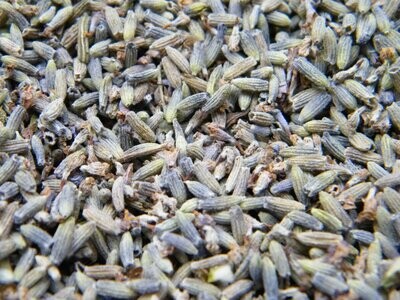
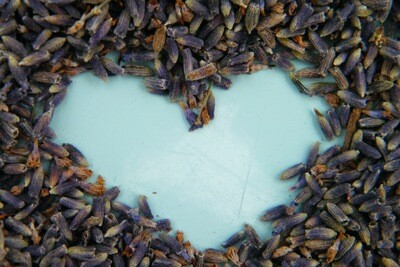
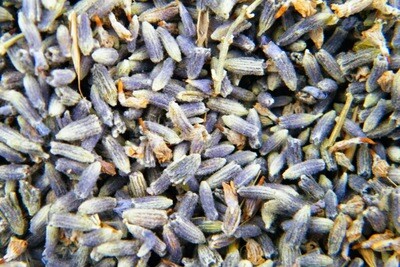
Great prices on fragrant loose grains for bags and potpourri! Buy just a few grammes to 1Kg, or right up to 10Kg sacks plus! Choose from French or British Lavandula prized for its high essential oil content and great scent - just check out our reviews!
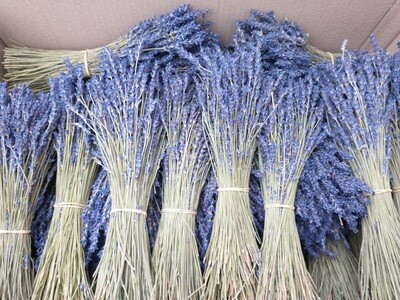
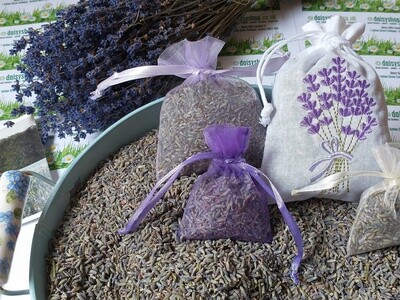
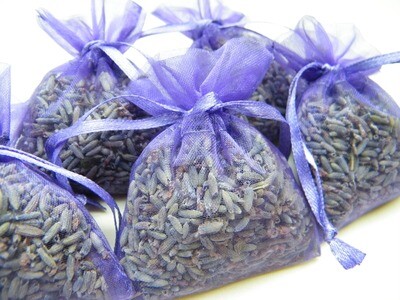
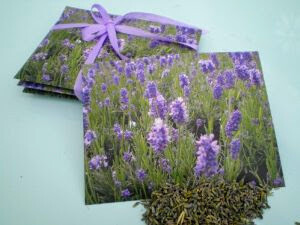
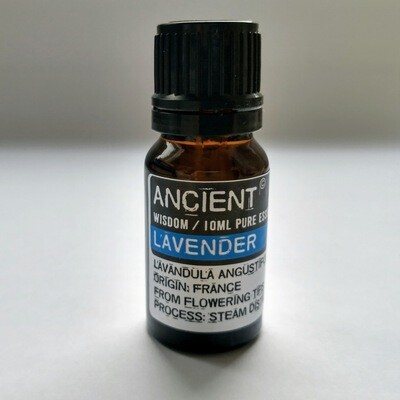
Featured Products
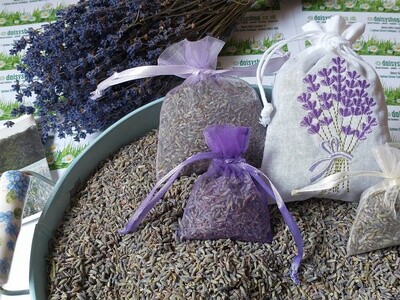
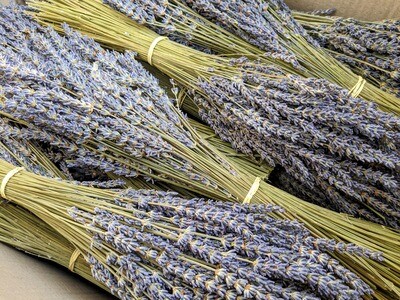
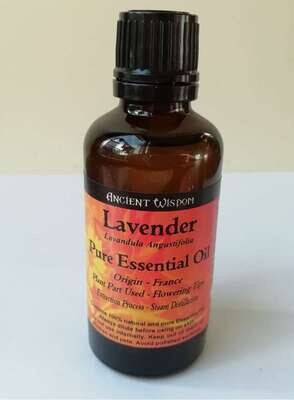
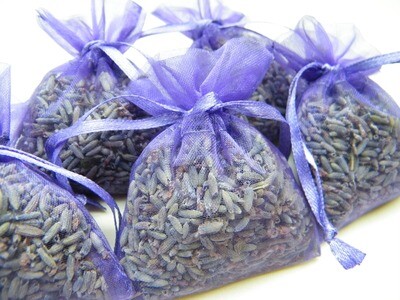
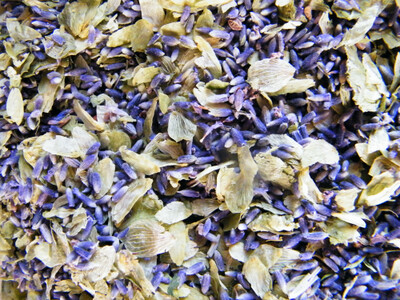
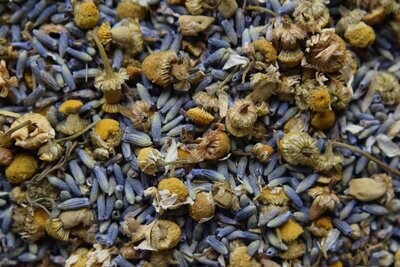
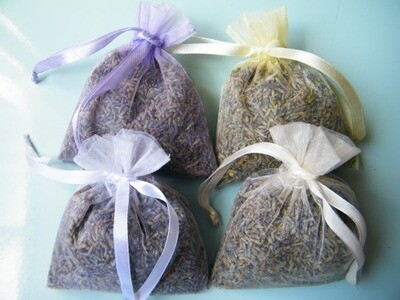
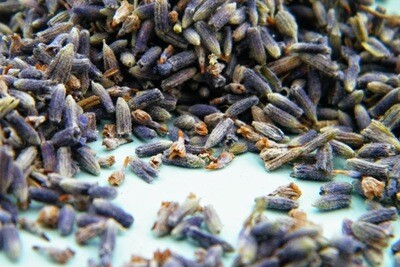
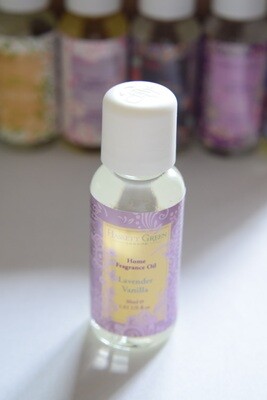
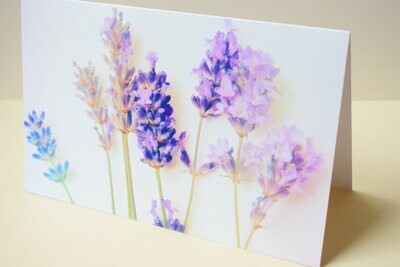
A huge range of dry bunches, lavender, confetti and botanicals
Buy dried lavender and other plant material

Our popular dried lavender is known for its high quality: clean grains and a great scent.
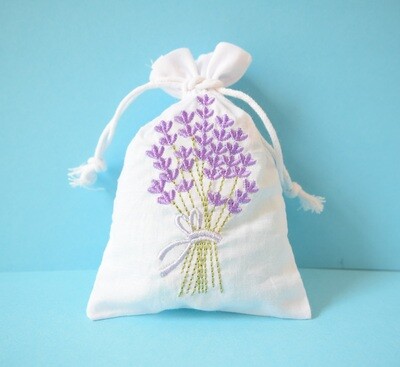
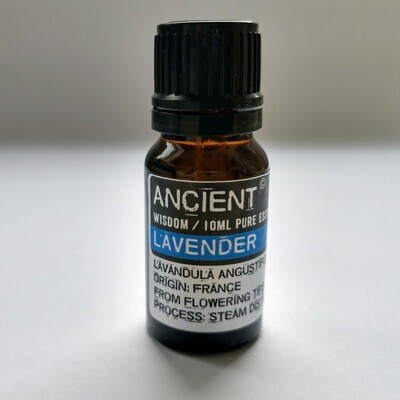
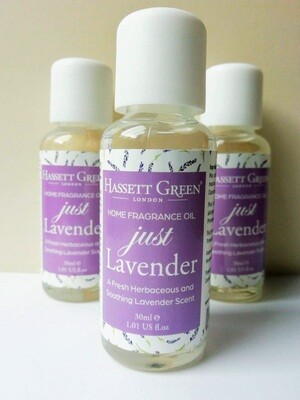
Make lavender bags or use the fragrant lavender grains in your own potpourri – we have plenty of ingredients to choose from if you’d like to blend your own. We also have ready made lavender home fragrance products.
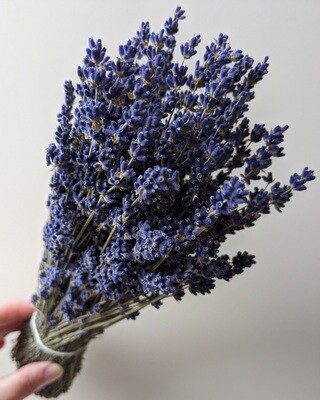
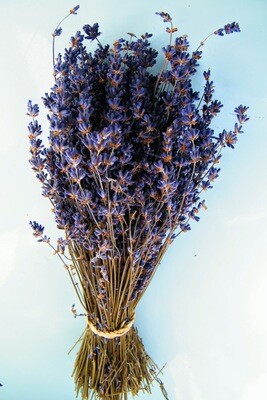
Or buy a dried lavender bunch from Provence or the UK.
Dried flowers, pressed flowers, confetti petals and more
We press our own flowers in-house, and they are great used in craft projects such as resin jewellery, decorating mobile phone cases and card making.
Our large confetti department includes a rainbow of real dried petals. Natural confetti petals are biodegradable which makes them the best choice for many venues. Choose a single colour or mix them up! Supply wedding guests with a little glassine bag of petals.
Our bunch range has been massively popular over the years and have been used for magazine photo shoots, award ceremonies and even Disney films! We hope to provide everything you need to make that special gift, bouquet or home arrangement. There’s so much choice we’ve divided it into sections and added some filters to make searching easier.
This dry floristry selection includes many popular dry stems, grasses and blooms plus more exotic varieties and foliage bunches in dyed or natural colours. We’ve been selling dry and preserved florals for twenty years so have accumulated a wealth of knowledge.
We sell a bunch selection grown in the UK and abroad, a selection of roses and seasonal blooms. These have a long shelf life but why not ring the changes from time to time with a seasonal update? UK bunches are slowly becoming more widespread which is surely good news for British growers.
Seasonality is becoming better known in mainstream floristry, and dry florals are no different. Think cool blues, lavenders and silvers for winter, zingy vibrant colours for spring and Easter, pastels for early summer, hot colours for late summer, oranges and earth tones for autumn and traditional reds and greens for Christmas.
Use dry blooms, foliage and grasses to make a mixed bouquet as a gift or display in a vase for home decor. Why not choose natural blooms for your main colour, foliage for background and grasses to add an informal element. Or go against the flow with random bright and dyed colours! To make things easy, we have added filters for colour and bunch type (such as foliage, seed pods, dyed, woody etc) where appropriate in the sections above.
Gift bouquets can be expensive so why not buy a simple dry bunch, which often come tied simply with an elastic band, and add your own ribbon and tag for that personal touch?
Use our florist sundries such as florist tape to make a flower crown or hoop, or ribbon and twine to tie your bouquet. Or attach your preserved florals onto a wreath.
We really hope you like our shop – it is first and foremost a floristry craft website, providing you with what you need to make that perfect bouquet, arrangement or gift. Floral crafts can also include aromatherapy and potpourri making so do check out our dried lavender, home fragrance and potpourri making sections if you’re looking for craft ideas.
Happy crafting!